Volunteers at the Kletno Uranium Mine
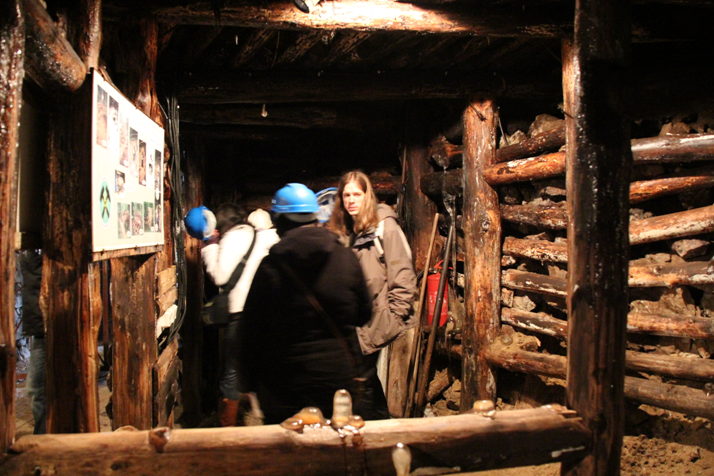
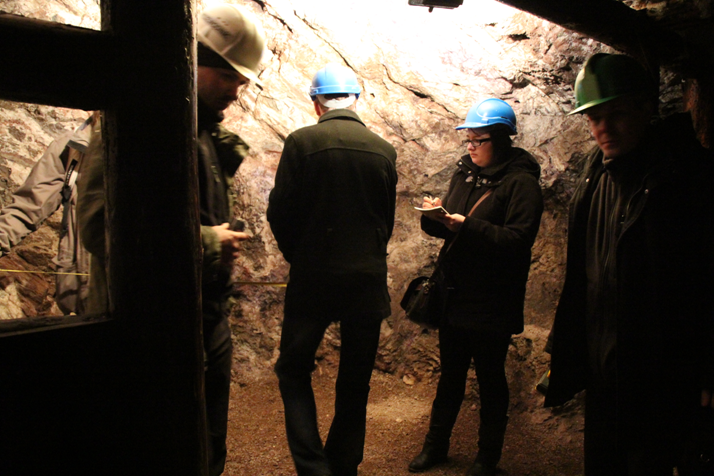
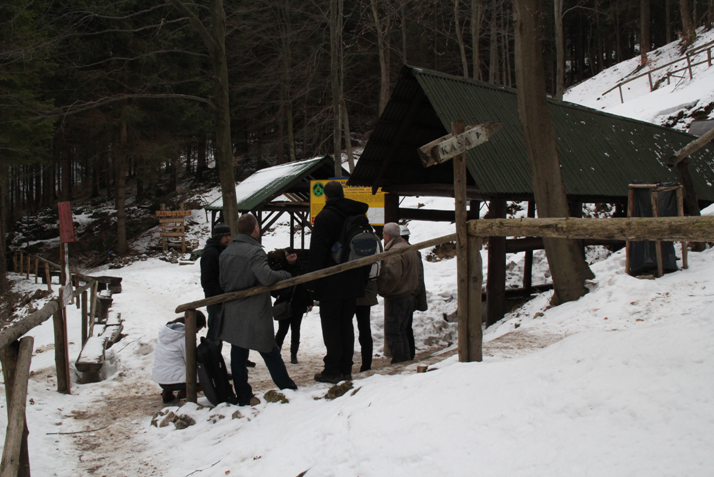
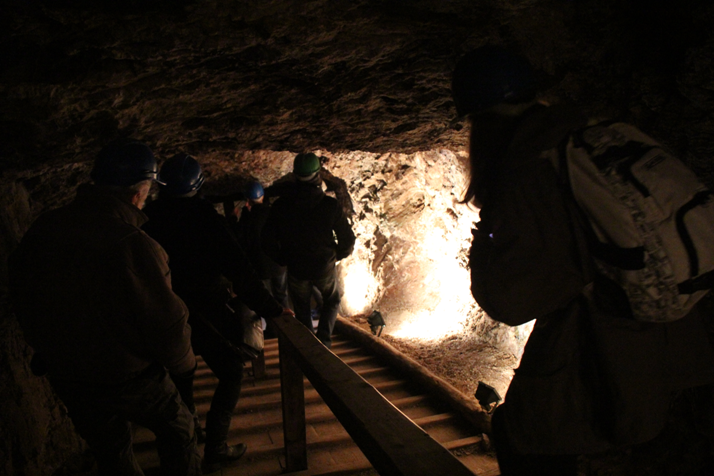
On Saturday 5 March, a group of Volunteers from our Foundation went on an excursion to the Old Uranium Mine in Kletno. The history of mining in Kletno dates back more than 6 centuries. During this period, iron, silver, copper and uranium russets, as well as fluorspar, were mined here. Today, the last testimonies of Kletno’s mining past are the adits of the former uranium mine and the heaps in its vicinity.
The history of this place is interesting (source: www.kletno.pl):
From 1945, intensive research on new weapons began in the Soviet Union. Stalin, impressed by the American superiority after the dropping of the atomic bombs on Hiroshima and Nagasaki, recommended the initiation of extensive work on nuclear weapons. Scientists under the leadership of Igor Kurchtsov were given very broad powers. After the war, due to the strategic importance of radioactive raw materials, intensive exploration work began on the basis of an agreement between Poland and the USSR concluded in 1948. The entire work was carried out by the Soviet geological service, with supervision also provided by the Soviet military administration.
on 15 July 1948, Soviet geologists, examining the activity of old dumps in the vicinity of Kletno, found increased gamma radiation at one of the adits. As early as the same year, mining of uranium ores from the heaps and old adits began. After these had been exploited, the construction of a mine was started here, which was named Kopaliny. In the following years, the mine was significantly expanded. A total of 37 km of excavations were made, including 3 shafts with depths of 83-150 m, 27 adits and many side workings. The deposit was also recognised through numerous drillings.
Polish workers were employed in the mine and the work here was extremely hard but also extremely well paid. The ore was transported in car convoys in special small sacks under a strong military escort.
Due to the considerable exploitation of the deposit, uranium mining in Kletno was terminated in March 1953, but the mine did not cease completely. Until 1958, fluorspar was mined here for use as a flux. After this period, underground mining was discontinued, some of the pits were flooded, the entrances to them collapsed, but some of them are still accessible. From May 1958, marble quarries called “White Marianna” started working in Kletno, but recently, due to the danger of the Bear Cave, which is a nature reserve, mining has been stopped.
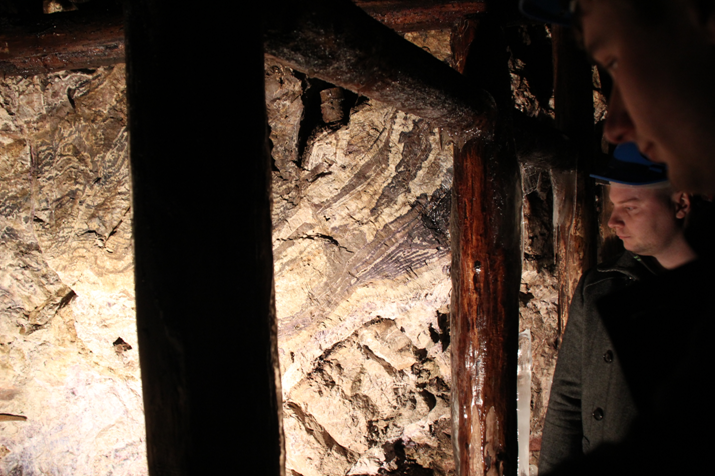
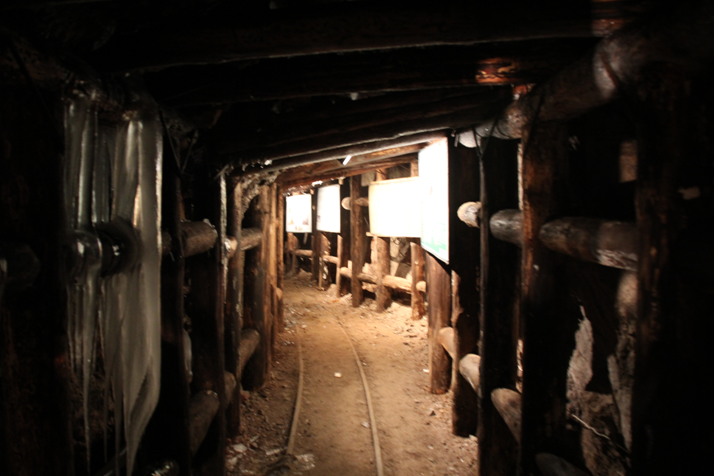
In 2002, Adit No. 18 was opened to the public. It was once an exploration adit devoid of uranium ore deposits, but the opening was preceded by detailed radiological safety studies. The route can be safely explored, admiring the beautiful displays of local minerals on the walls as well as the prepared exhibitions (old mine plans, location maps and an exhibition of commemorative mining mugs).
The visit of Foundation representatives to Kletno initiated cooperation with the mine’s owners, who are planning to launch an exhibition – a didactic trail on nuclear power and its impact on the environment.
Below are some selected photos – more on our Facebook profile!
Photo author: Jakub Danecki /click on photo to enlarge/